
The Maypark Journal
How long do dental implants last before replacement
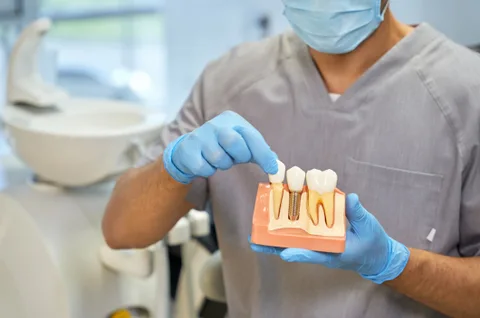
Dental implants are artificial tooth roots made of biocompatible materials, typically titanium, that are surgically placed into the jawbone. They serve as a foundation for attaching replacement teeth, such as crowns, bridges, or dentures. The implant itself consists of three main parts:
Dental implants are a popular solution for replacing missing teeth, offering a durable and natural-looking alternative to traditional dentures or bridges. However, many people wonder about the longevity of dental implants and when they might need replacement. In this article, we’ll explore the factors that influence the lifespan of dental implants and provide insights into how long you can expect them to last before replacement might be necessary.
What Are Dental Implants?
- The Implant Post: This is the metal component embedded into the jawbone.
- The Abutment: This piece connects the implant post to the artificial tooth.
- The Restoration: The visible part of the implant, which mimics the appearance of a natural tooth.
Longevity of Dental Implants
The longevity of dental implants can vary based on several factors, including the patient’s oral health, the quality of the implant, and the skill of the dental professional. However, dental implants are known for their durability and can often last many years, with proper care. Here’s a closer look at how long dental implants typically last:
1. Average Lifespan
On average, dental implants have a high success rate and can last between 10 to 15 years, or even longer. Many implants can remain functional for 20 years or more. If they are well-maintained and the patient adheres to good oral hygiene practices.
2. Factors Influencing Longevity
Several factors can influence how long dental implants last before replacement is needed:
- Oral Hygiene: Proper brushing, flossing, and regular dental check-ups are crucial for maintaining the health of both the implants and the surrounding gums and bone. Neglecting oral hygiene can lead to complications such as peri-implantitis, an infection that can jeopardize the implant’s stability.
- Bone Health: The success of a dental implant depends on the quality and quantity of the jawbone. If the bone is insufficient, the implant might not integrate properly. Maintaining bone health through adequate nutrition and, if necessary, bone grafting procedures can impact the longevity of the implant.
- Lifestyle Factors: Smoking and excessive alcohol consumption can negatively affect the healing process and the longevity of dental implants. These habits can impair the body’s ability to heal and increase the risk of implant failure.
- Implant Placement: The expertise of the dental professional plays a significant role in the success of the implant. Proper placement and alignment are essential for ensuring that the implant integrates well with the jawbone and functions effectively.
3. Signs That Replacement Might Be Needed
While dental implants are designed to last a long time, certain signs might indicate that replacement or further treatment is needed:
- Mobility: If the implant feels loose or moves, it may indicate a problem with the integration process or damage to the surrounding bone.
- Pain or Discomfort: Persistent pain or discomfort around the implant site can be a sign of infection or other issues that may require attention.
- Gum Issues: Inflammation, swelling, or bleeding around the implant can signs of peri-implantitis, which needs to addressed to prevent further complications.
Maintenance and Care
To maximize the lifespan of dental implants and reduce the likelihood of needing replacement. It’s essential to practice good oral hygiene and follow these care tips:
- Brush and Floss Regularly: Use a soft-bristled toothbrush and non-abrasive toothpaste to clean around the implant and natural teeth. Flossing helps remove plaque and food particles from between the teeth and around the implant.
- Regular Dental Visits: Schedule regular check-ups and cleanings with your dentist to monitor the health of your implants and address any potential issues early.
- Avoid Harmful Habits: Refrain from smoking and excessive alcohol consumption, as these can impact your oral health and the longevity of your implants.
- Wear a Mouthguard: If you grind your teeth or engage in contact sports, consider wearing a mouthguard to protect your implants and natural teeth.
Conclusion
Dental implants are a long-lasting and effective solution for replacing missing teeth, with a typical lifespan of 10 to 15 years or more. By maintaining good oral hygiene, addressing any issues promptly, and following your dentist’s recommendations. You can ensure that your dental implants remain in excellent condition for many years. If you notice any signs of problems, contact your dental professional. If you have concerns about the longevity of your implants, they can guide you on the best course of action. Proper care and regular monitoring are key to enjoying the benefits of dental implants for a long time.
Perfect smiles begin here.
Want to get in touch? We’d love to hear from you.